Solar and Polysilicon Tariffs 2026: New Prices Start December 4
On December 4, 2026, the U.S. plans to start minimum import prices for polysilicon and solar-chain products, plus an additional 15% duty on covered ingots and derivatives.
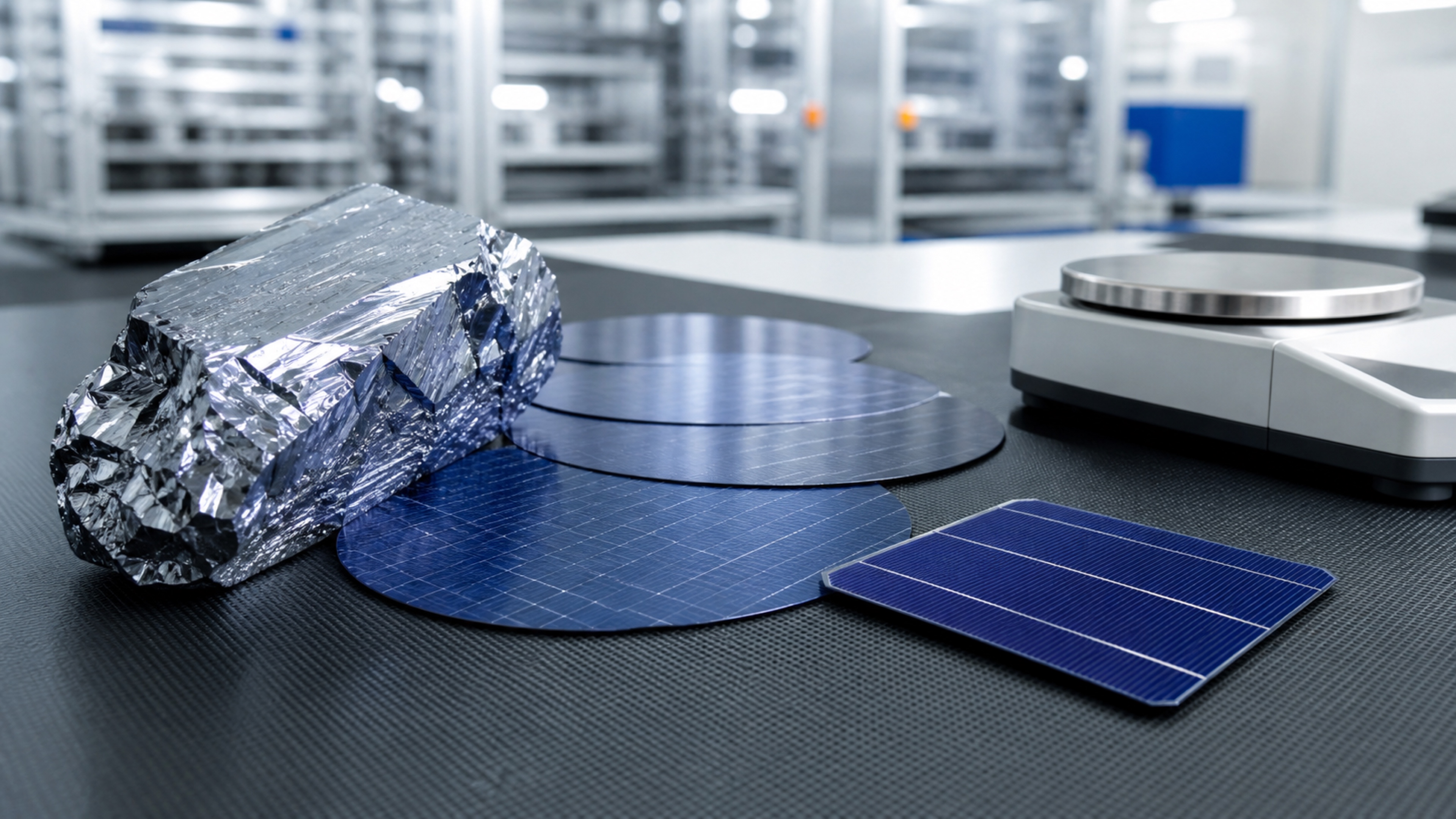
Future action: the measures start with entries on or after December 4, 2026 at 12:01 a.m. Eastern.
The minimum prices
| Product | Minimum import price |
|---|---|
| Polysilicon | $21 per kilogram |
| Polysilicon ingots and wafers | $100 per kilogram |
| Solar cells | $0.22 per watt |
| Solar modules | $0.38 per watt |
If the importer doesn’t submit the required entry documentation, the proclamation says the merchandise is subject to a specific tariff equal to the applicable minimum price. If the documentation is submitted but entered value is below the minimum, the specific tariff equals the difference between entered value and the minimum.
That isn’t ordinary percentage math. You need quantity in kilograms or watts, entered value, and the documentation status before you can calculate it safely.
The extra percentage
Covered polysilicon ingots and derivatives also get a 15% additional Section 232 rate. Eligible products of Japan, Korea, Taiwan, Switzerland, Liechtenstein, and EU member states use a total 15% treatment including Column 1 duty. Eligible UK products use an additional 10%.
The proclamation also authorizes approved onshoring plans and trading-partner adjustments. Those depend on later agency decisions and company-specific facts.
Old contracts matter
CBP must allow documentation that the first arm’s-length U.S. sale will meet the MIP, or that the sale uses fixed terms in a contract signed before August 6, 2026. That contract clause could be a big deal for inventory already ordered, but it isn’t a blanket exemption.
Why we’re holding the calculator
The signed tariff engine currently supports exact ad-valorem operations. It doesn’t yet support dollars per kilogram, dollars per watt, first-sale documentation, or the MIP value-gap formula. So TariffShield is treating this as a monitored future obligation, not publishing a made-up equivalent percentage.
That’s less flashy. It’s also correct.
What solar merchants should collect
- Exact HTSUS classification and product form: raw polysilicon, ingot, wafer, cell, or module.
- Net kilograms or rated watts in the customs unit.
- Entered value and the first arm’s-length sale documentation.
- Contract date and fixed terms for any pre-August 6 agreement.
- Origin and any later partner or onshoring approval evidence.
Keep the minimum-price calculation out of percentage tools
TariffShield’s signed engine does not yet calculate per-kilogram or per-watt minimum prices. This program remains a monitored, review-required obligation with no numeric product result.
See TariffShieldQuick answers
No universal current U.S. tariff rate is available from country of origin alone.
Classification, product scope, origin, entry time, base duty, Chapter 99 treatment, quota or certification facts, and exceptions can change the result. Missing fact? Keep the number in review.
Official sources
- White House — polysilicon Section 232 proclamation
- White House — polysilicon Annex I
- White House — polysilicon Annex II
- USITC — current Harmonized Tariff Schedule
Checked through: August 17, 2026 at 13:00 UTC. Re-review required no later than August 24, 2026 at 13:00 UTC or sooner if an official source changes.
Disclaimer: Informational content only. Verify the current HTSUS and CBP instructions or use a licensed customs broker for an entry-specific decision.